
Phoenix’s shopping-cart ordinance went live on January 15, 2026, and six months in it’s the toughest one actually being enforced in the country. Everybody in this business quotes it. Almost nobody reads the part that matters.
Here’s the part that matters. When the city collects one of your carts off a street, a wash, or a bus stop, it charges you to get it back. If you have a retrieval contract on file, that’s $25 a cart. If you don’t, it’s $50. Same cart, same city, double the bill — and the only variable is whether you’ve got a recovery program in place. Phoenix didn’t just permit retrieval. It priced it in.
And the per-cart fees are the small numbers. Ignore the ordinance and the retailer fines escalate — $500, then $750, then $1,000-plus for repeat non-compliance. Those aren’t per-cart. That’s the cost of being the store the city keeps calling about. Phoenix runs a 1-800-THE-CART hotline, which means your neighbors and the city’s own crews are all feeding the complaint queue that generates those bills.
Six months of enforcement have produced a number worth sitting with: more than 7,000 carts collected by the city and billed back to retailers. Every one of those was a cart a store already owned, now handed back with an invoice stapled to it.
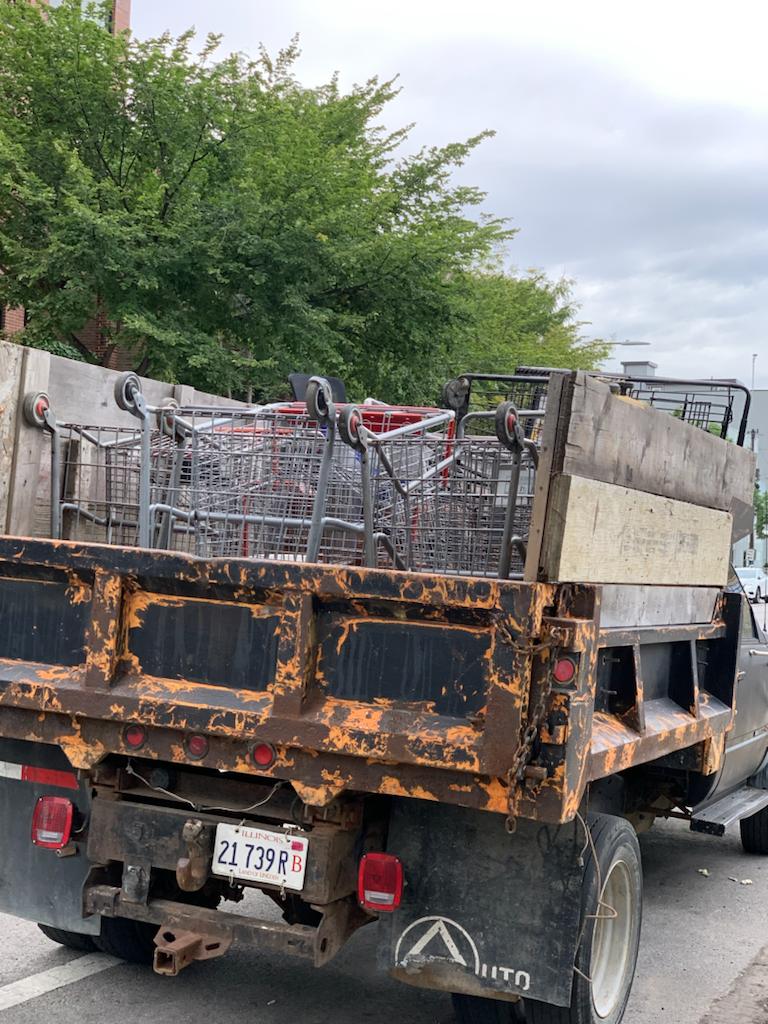
Now put a locking wheel next to that fee schedule. A wheel that stops at the property line does nothing about a cart that’s already three blocks away in a truck bed — and Phoenix will still bill you the $50 rate to hand it back if you don’t have a retrieval program the city recognizes. You can spend on containment and still be paying the no-contract price. The ordinance rewards getting the cart back, not stopping it from leaving. That’s the whole game, and it’s why a wheel and a recovery program are not the same purchase.
That’s also why retrieval wins even in cities that never send a fee. Past the 25–37% fleet-loss tipping point, the carts you don’t recover turn into replacement-cart POs, and a new cart runs $150–$300. Phoenix just attached a public dollar figure to a thing that was already true: a cart you get back is cheaper than a cart you replace, ordinance or no ordinance.
If your stores sit in Phoenix — or in any of the more than 60 municipalities across 19 states we track — the move is the same. Find your city, read what it actually charges, and check whether a retrieval contract changes the number. It usually does. Start on the ordinance map.