
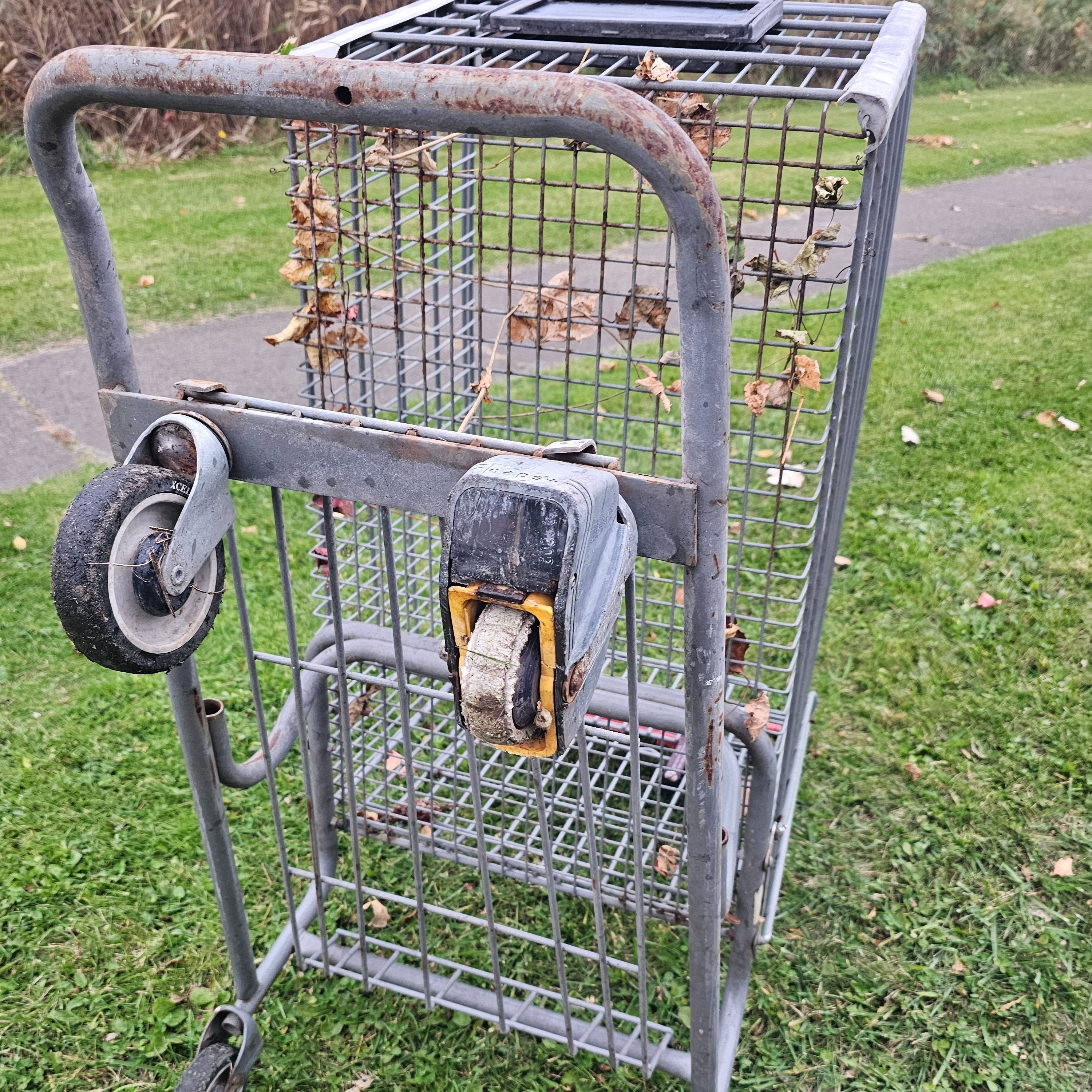
One of our retail partners collects carts once a month — which means lots of carts, gone a long time, spread far. Historically that's the hardest kind of retrieval run. With live location and routed pickups, it went 33-for-36. The three misses weren't misses: they were carts at locations where retrieval wasn't possible, which got logged and referred to the retailer's LP team and local authorities instead.
How the run works. The team rents a truck and pulls a retrieval list from QuickTrack. The list sorts every off-property cart into an optimized route, exportable straight into a maps app. No proprietary handheld, no software training for the driver — anyone with a phone can run the route. That matters more than it sounds: your retrieval partner never needs access to your systems. They get a route link; you keep your data.
Where the carts were. Half were residential. The rest were spread across commercial properties, industrial sites, and scrap yards — which, regardless of what municipal code says, quietly accumulate a lot of stolen carts. This retailer's crew has collected carts for years, and most recoveries were at locations that weren't on anyone's mental map of "where carts go."
What they saw on the way. Plenty of other retailers' carts — including carts wearing security hardware, miles from home, where a locking wheel is just extra weight. Distance is the great equalizer of containment systems.
See how the QuickTrack retrieval planner builds these runs automatically, or read up on the full cart retrieval use case.